Fell & Sell Builds & Altars
Shatter the meta. Rebuild it around you.
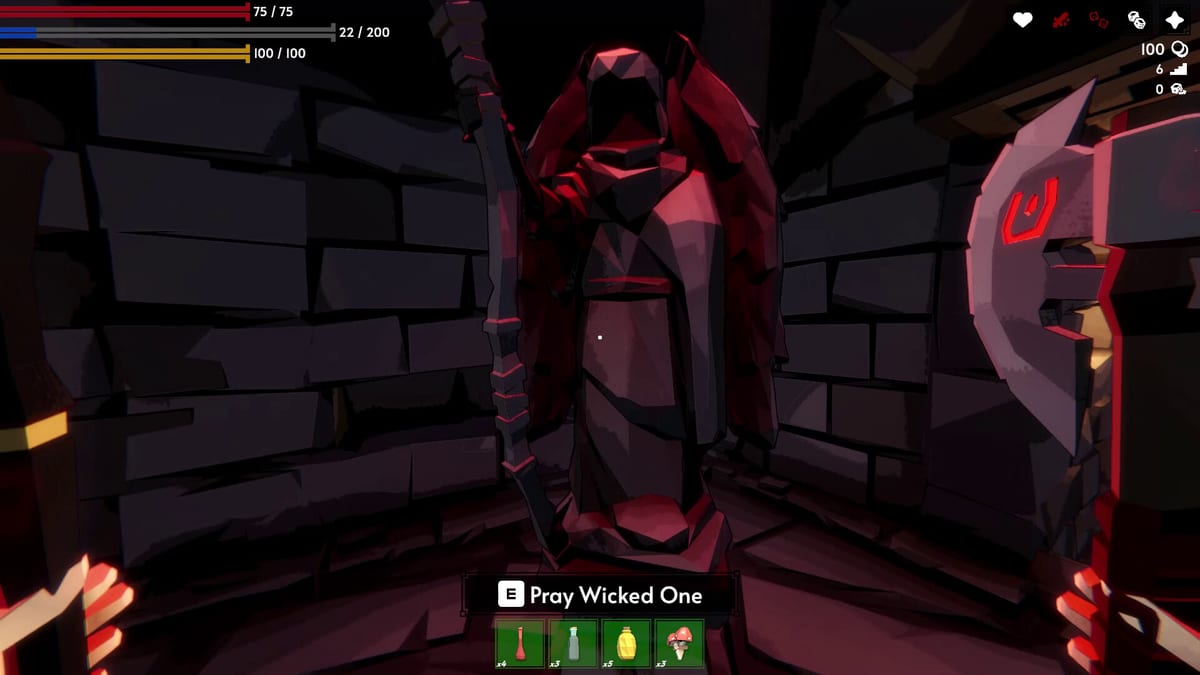
Fell & Sell rewards build experimentation more than most roguelikes. The altar system lets you completely reshape your playstyle mid-run, and the crafting system lets you build toward specific loadouts over multiple expeditions. This hub covers the most powerful and interesting build approaches.
Altar builds
Altars are the most dramatic build modifier in the game. The Altar Builds guide covers every altar effect in detail — the Midas Touch melts heavy items into pure gold, Tiny size lets you dodge attacks that would otherwise one-shot you, and mood-state altars cycle you through manic and depressed combat phases that fundamentally change how enemies react to you.
Best starter builds
New players need a solid foundation before experimenting. The Best Starter Builds guide covers three proven starting configurations: a balanced sword-and-board approach for cautious players, a glass-cannon aggressive build for players who want to push deep quickly, and a shop-focused crafting build for players who want to maximize early income.
Build progression
As your shop grows and your access to better materials increases, your build should evolve. The Best Starter Builds guide includes a progression roadmap showing which gear to aim for at each stage of the game.
Related guides
The Dungeon Survival guide explains how to execute any build effectively in the dungeon environment.
The Enemies guide in the Dungeon hub helps you tailor your build to specific enemy compositions.
The Crafting Recipes guide shows which crafted items best support each build type.
Build experimentation and respec
Fell & Sell allows full respec between runs — you can reassign your skill points, change your equipped gear, and try a completely different playstyle without penalty. This makes experimentation low-cost and encouraged. Do not be afraid to try a build for a few runs and abandon it if it is not working. The best build is always the one that matches your preferred play rhythm.
Weapon and armor synergy
Some weapons pair dramatically better with certain armor types. A slow, heavy two-handed weapon benefits from heavy armor that lets you trade blows. A fast, light weapon setup wants light armor that preserves your mobility. Mismatching weapon speed and armor weight is a common beginner mistake that makes combat feel sluggish and unresponsive. Each of the starter builds in the Best Starter Builds guide specifies the correct armor pairing.
Altar build pivot strategies
Once you have identified a strong altar effect during a run, you can pivot your entire build around it within seconds. This means the altar you choose should be informed by your current inventory — if you are carrying heavy armor and a slow weapon, Midas Touch is probably better than Tiny. If you have a fast weapon and good dodges, Tiny might let you take risks that double your loot. The Altar Builds guide covers each altar effect with specific inventory recommendations.
Frequently Asked Questions
Quick answers to the most common questions.
What is the strongest altar effect?
The Midas Touch is widely considered the most powerful for shop-focused players because it converts heavy loot directly to gold. Tiny size is exceptional for players who prioritize deep dungeon runs and survival.
Can I switch builds mid-run?
Yes — finding an altar mid-run lets you switch to a completely different build archetype. This is one of Fell & Sell's most strategic elements.
Do starter builds still work late game?
The starter builds are designed to scale. Each one has a clear upgrade path that keeps the core strategy viable all the way through the game.