Fell & Sell Guía del tablón de misiones
Convierte hazañas de expedición en oro, armas y piezas raras.
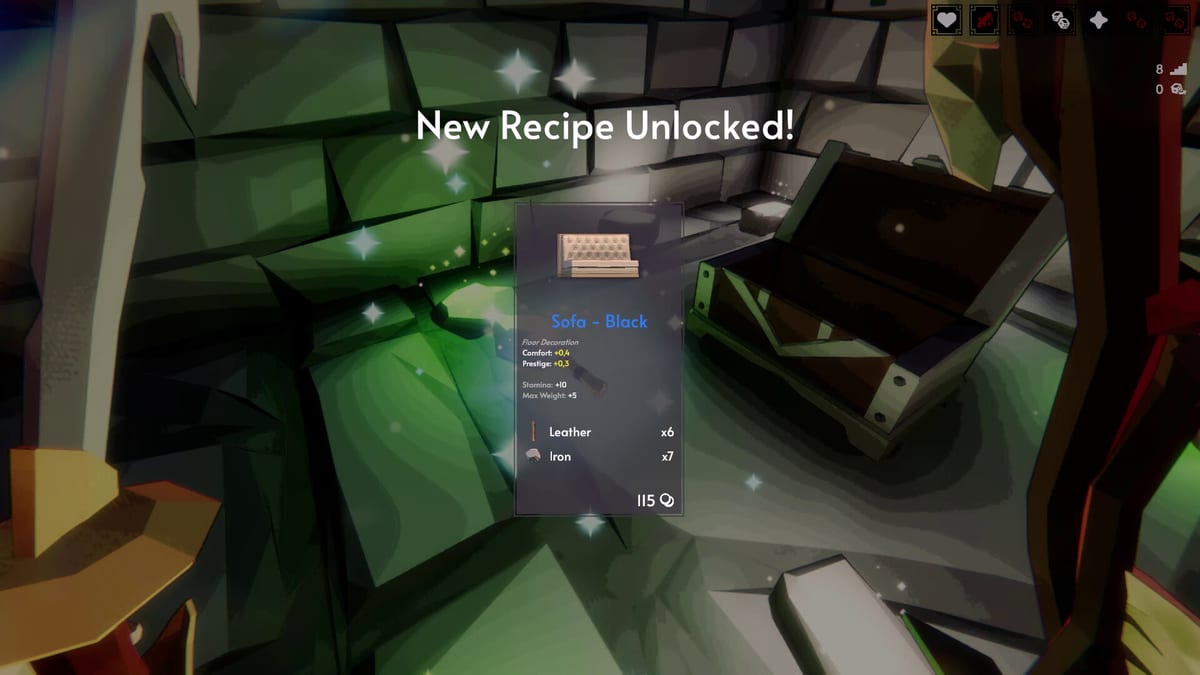
El tablón junto a la tienda es la fuente de oro más infrautilizada. Convierte lo que ya hiciste bajo tierra — muertes, colecciones, supervivencias, ventas — en oro, equipo y objetos. Quien se para tras cada bajada suele sumar un quinto o un tercio de ingreso, casi sin desvío.
Cómo funciona
El tablero muestra misiones según tu progreso. Algunas son únicas: cincuenta esqueletos, cien objetos, cinco extracciones. Otras vuelven: diez espadas esta semana, quinientos de armadura esta sesión. Reclamas hablando con el PNJ del tablón. Las recompensas caen directas — sin saco que cargar.
Mira en cada visita. Misiones nuevas tras cada bajada. Una que habrías cerrado el run anterior puede haberse ido.
Semana de lanzamiento: tablón vacío, recompensas que se evaporaban al cargar. El anuncio Gamepad Support + Major Fixes! del 27 de agosto de 2026 cerró ambos. Si el tablero sigue en blanco, actualiza Steam antes de culpar a la partida. Mando. Solape de trofeos: Logros.
Tipos
Muertes — un número de un tipo. Las más pasivas: juega normal, comprueba si cuenta. Prioriza enemigos que ya peleas. Enemigos.
Colección — recoger o comprar un cupo. Alínealas con salas donde esos objetos caen solos.
Supervivencia — número de runs, profundidad, extraer con un mínimo de botín. Prueban el juicio, no el grind. Supervivencia en la mazmorra.
Economía — vender un valor, mantener una cifra, quedarte en un rango de precios. Se cierran llevando tienda. Cómo vender objetos.
Recompensas
Escala. Un kill simple paga poco. Una misión eco que pide cabeza paga más. Las más raras pagan en equipo, no en monedas. Lee la recompensa antes de comprometerte: quince minutos por 50 de oro pierden frente a 150 más un arma.
Prioridades
Equipo pronto — un arma nueva acelera todos los runs siguientes. Apila misiones eco sobre lo que ibas a vender. No aceptes lo imposible: profundidad o stuff que aún no tienes. Cómo ganar dinero coloca el tablón en el bucle.
Algunas caducan (a menudo una semana las recurrentes). Las hazañas únicas se quedan hasta completarlas o hasta que superas el listón.
Encajar el tablón en la hora
No aceptes cinco misiones que piden cinco direcciones. Elige las que ya ibas a hacer: kills del bioma actual, ventas de lo que ya está en mesa, una supervivencia si extraes con cabeza. El resto puede esperar al siguiente refresco.
Si el tablero vuelve a fallar tras un parche, mira Actualizaciones antes de borrar la partida. Los logros de Steam solapan a veces con estas tareas: Logros. Supervivencia: Supervivencia en la mazmorra.
Mantener la página al día
Cruza con Actualizaciones hasta el parche de mando del 27 de agosto. Inventario, tablón y recogida automática cambian estos sistemas. Ante la duda, guarda con Guardar botín.
Preguntas frecuentes
Respuestas rápidas a las dudas más habituales.
¿Cada cuánto se refresca el tablón?
Tras cada bajada. Míralo en cada vuelta: el tablero cambia entre visitas.
¿Las recompensas cuentan para el prestigio?
Las misiones eco que piden vender, a menudo sí. Muertes y supervivencia, en general no. Apunta a eco si el prestigio es la prioridad.
¿Mejor tipo de misión al inicio?
Equipo. Un arma o una pieza de armadura pronto tiene efecto compuesto, más valioso que el oro directo.
¿Caducan las misiones?
Sí, algunas. Recurrentes: a menudo una semana. Las hazañas únicas se quedan hasta que las cierras o superas el requisito.