Fell & Sell Guía de armaduras
La protección salva bajadas. Elige con cabeza.
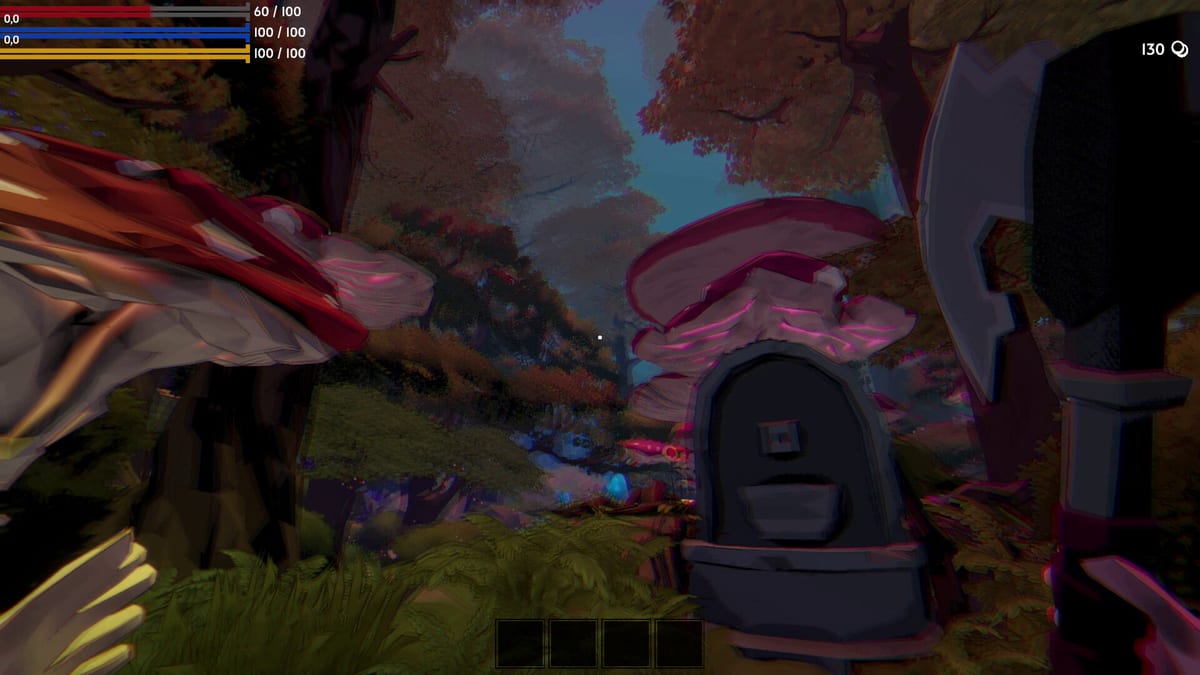
La armadura es el seguro contra los malos momentos de la mazmorra. La buena te deja encajar un golpe que te habría matado, terminar el combate y salir con el saco. La mala te ralentiza tanto que los enemigos te alcanzan igual. Esta guía ordena los palos, explica la defensa y dice cómo pesar protección y movilidad — para ti y para la mesa.
Palos
Como las armas, la armadura sigue la rareza: común, poco común, rara, épica, legendaria. Más alto, más defensa base y propiedades especiales. Más allá del color, el peso decide el run.
Ligera
Poca defensa, movilidad intacta. Velocidad normal, esquiva al máximo.
Para quién: jugadores que evitan más de lo que tankean. Si lees patrones y te colocas, la ligera te deja peligroso.
Venta: clientela agresiva, velocidad primero. Demanda media. No llenes la tienda solo de cuero.
Media
Defensa y movilidad. Pequeño malus de desplazamiento, reducción real de daño.
Para quién: el valor por defecto para la mayoría. Cedes un poco de velocidad, ganas supervivencia, sin el contrato de la pesada.
Venta: más volumen. Todos los tipos de PNJ pueden usarla. Mantén stock. Clientes.
Pesada
Defensa máxima, malus de movimiento claro. Más lento, dodge más corto.
Para quién: principiantes que necesitan el colchón, y veteranos en un build tank. El malus es bastante duro para que muchos experimentados se queden en media.
Venta: funciona bien con clientes nuevos y en parches duros, cuando se muere más. Cómo vender objetos.
Cómo funciona la defensa
La defensa reduce el daño físico en porcentaje. La fórmula exacta no está publicada; en la práctica, un set bien defendido puede cortar 40–50 % respecto a ir desnudo. No toca magia ni entorno — tormenta, trampas, ciertos wraiths ignoran el peto.
El coste oculto de la movilidad
La pesada no solo te roba metros por segundo. Te roba decisiones:
- los enemigos cierran más rápido
- la huida hacia la salida dura más
- el kiting se cae
- colocarte para un buen pelea tarda demasiado
Contra goblins, casi un lastre. Contra la Armadura viviente, casi puro plus. Enemigos.
Para ti
El valor práctico: media. Bastante para casi todo salvo lo más duro, bastante móvil para Darkest.
Pesada si aún aprendes patrones, si la planta está en tu techo, o si juegas tank (a menudo con el altar Deprimido). Ligera si te golpean poco, si juegas dagas / velocidad, o si Tiny está activo. Builds de altar, Mejores builds iniciales.
Para vender
La media rota. La pesada se mueve en parches duros. La ligera tiene una base más pequeña pero fiel. Recetas: Recetas de fabricación. Supervivencia: Supervivencia en la mazmorra.
Mantener la página al día
Cruza con Actualizaciones hasta el parche de mando del 27 de agosto. Inventario, tablón y recogida automática cambian estos sistemas. Ante la duda, guarda con Guardar botín.
Preguntas frecuentes
Respuestas rápidas a las dudas más habituales.
¿Armadura o arma primero?
Armadura si mueres. Arma si sales vivo y quieres matar más rápido. Regla: tres runs muertos hace poco → invierte en armadura. Supervivencia estable → el arma.
¿La armadura cambia la esquiva?
Sí. La pesada acorta la distancia y alarga la recuperación. Ligera y media casi no tocan el dodge.
¿Guardar o vender un drop de armadura?
Guarda si es una mejora de tu set o encaja en un build que persigues. Vende duplicados y lo que no mejora tu supervivencia.
¿Y el altar Deprimido?
Ya da mucha defensa. Apilar pesada encima suele ser redundante: media + Deprimido ≈ protección de pesada, con más pies.